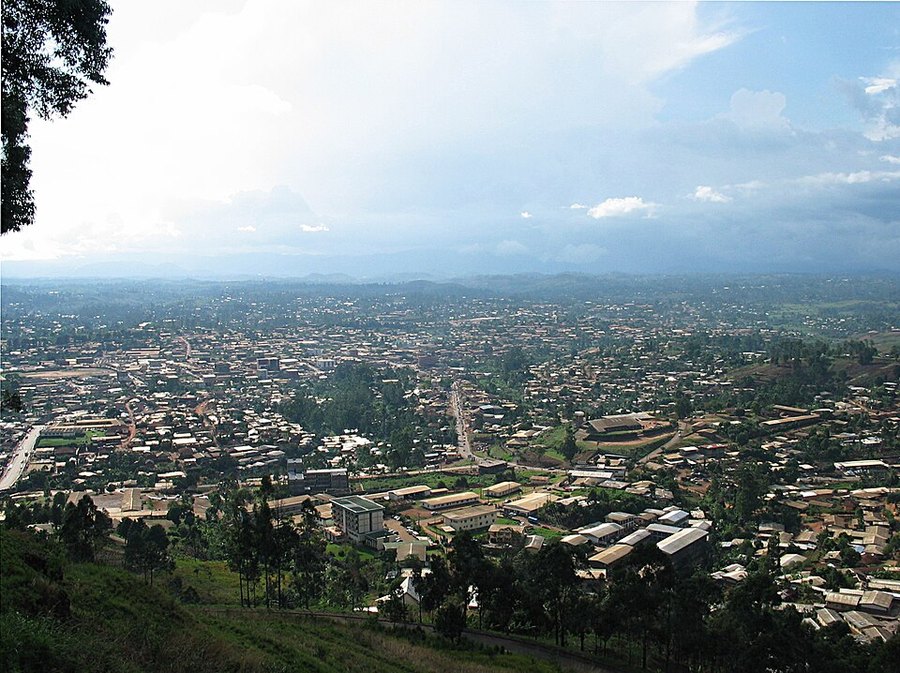
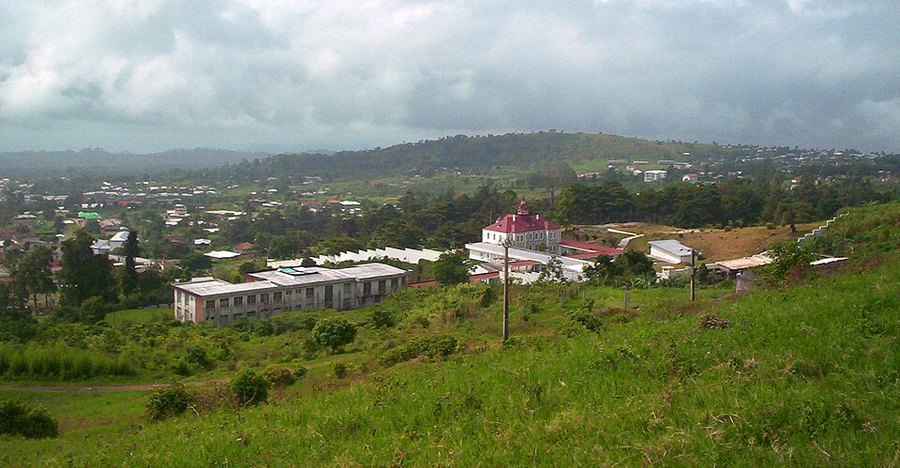
Bamenda
NORTH-WEST
Regional capital of the North-West.
Understanding the Anglophone Crisis, its impact, and our responsibility to build a better future.
A crisis does not only change governments or institutions. It changes schools, families, businesses, communities and the dreams of young people.
START HERE
A crisis is a serious situation that disrupts the normal functioning of a community, country or organisation and requires urgent attention.
This project explores the ongoing sociopolitical and armed crisis affecting Cameroon's North-West and South-West regions.
We are studying what happened, how it affects everyday life, and what a better future could look like — not arguing about who is right.
WHERE IS IT HAPPENING?
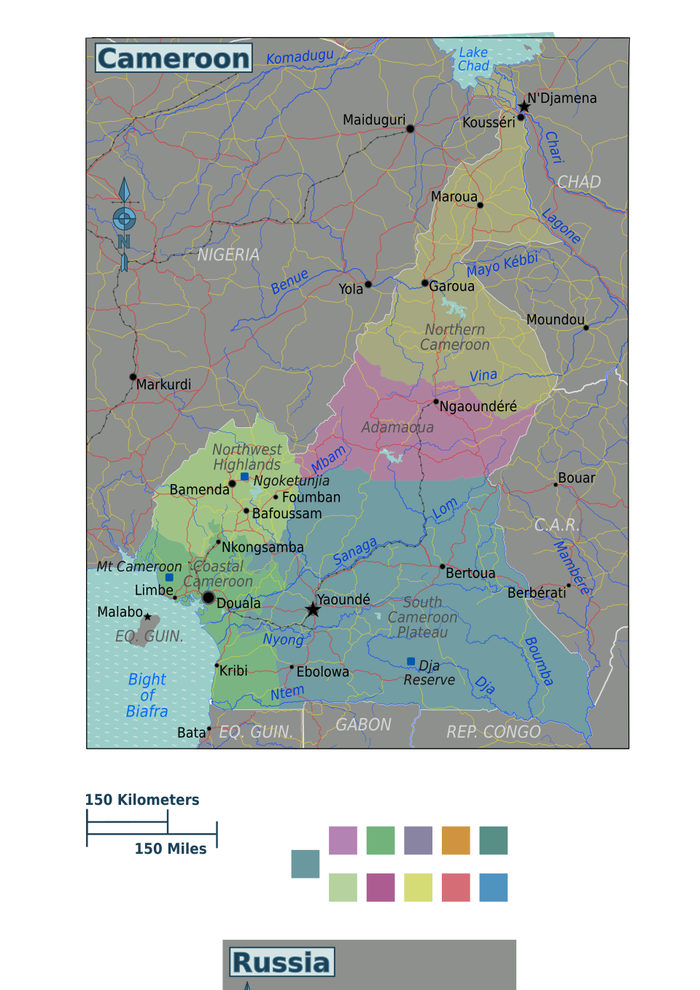
Cameroon has ten regions. The North-West and South-West are its two predominantly English-speaking regions.
NORTH-WEST
Regional capital of the North-West.
SOUTH-WEST
Regional capital of the South-West.
HOW DID WE GET HERE?
2016
Teachers and lawyers raised concerns related to the Anglophone educational and legal systems and what they saw as marginalisation.
Source: Human Rights Watch
2017
Confrontations intensified, and separatist movements increasingly called for independence for the English-speaking regions.
Source: Human Rights Watch
After 2017
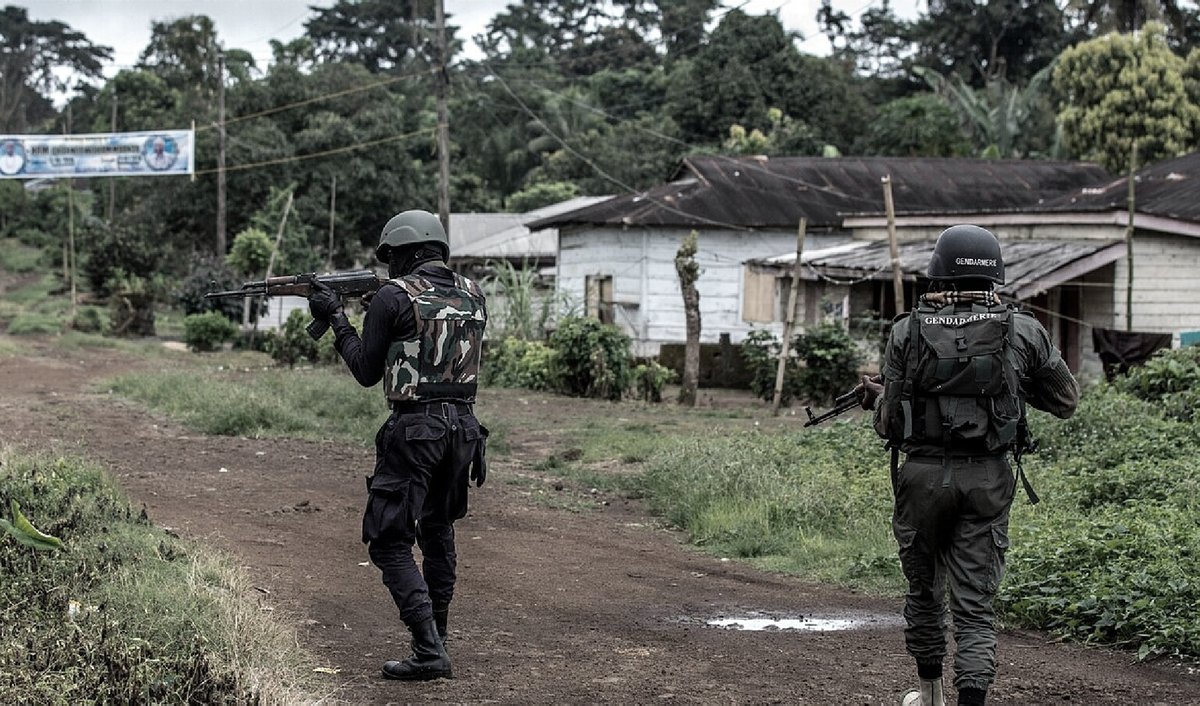
The situation developed into prolonged violence involving armed separatist groups and government security forces.
Source: Human Rights Watch
Today
Communities across the North-West and South-West have experienced displacement, insecurity, interrupted education and damage to infrastructure and livelihoods.
Source: United Nations in Cameroon
THE HUMAN COST
Six ways a crisis reaches into ordinary life.
EDUCATION
Schools have been attacked or closed, teachers have fled some areas, students have been kidnapped, and many children have experienced significant interruptions to education. Human Rights Watch estimated in 2021 that around 700,000 students had been deprived of education because of the conflict.
Source: Human Rights Watch, 2021
FAMILIES & DISPLACEMENT
Violence has forced hundreds of thousands of people to leave their communities and seek safety elsewhere in Cameroon or neighbouring Nigeria.
Source: Human Rights Watch
BUSINESSES & JOBS
Businesses have closed, livelihoods have been lost, and economic activity in the two regions has suffered.
Source: Human Rights Watch
HEALTHCARE
Years of disruption have affected access to healthcare and damaged essential infrastructure.
Source: United Nations in Cameroon
COMMUNITY
Long periods of conflict can weaken trust between communities, institutions and individuals.
YOUNG PEOPLE
Conflict can affect education, opportunities, relationships, aspirations and how young people imagine their future.
A DAY WITHOUT CRISIS
6:30 AM
Children prepare for school.
8:00 AM
Teachers begin lessons.
12:30 PM
Markets and businesses operate normally.
3:30 PM
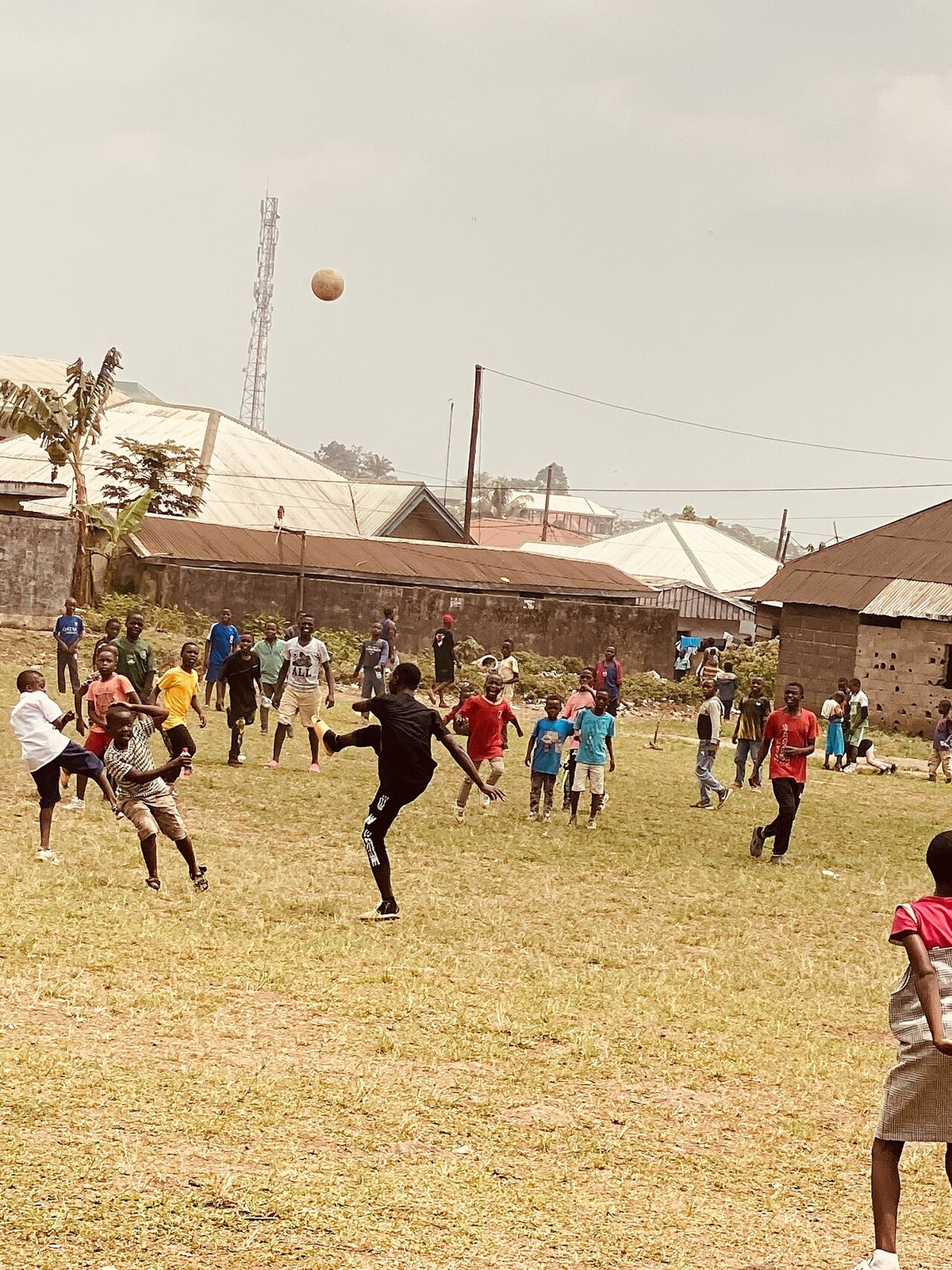
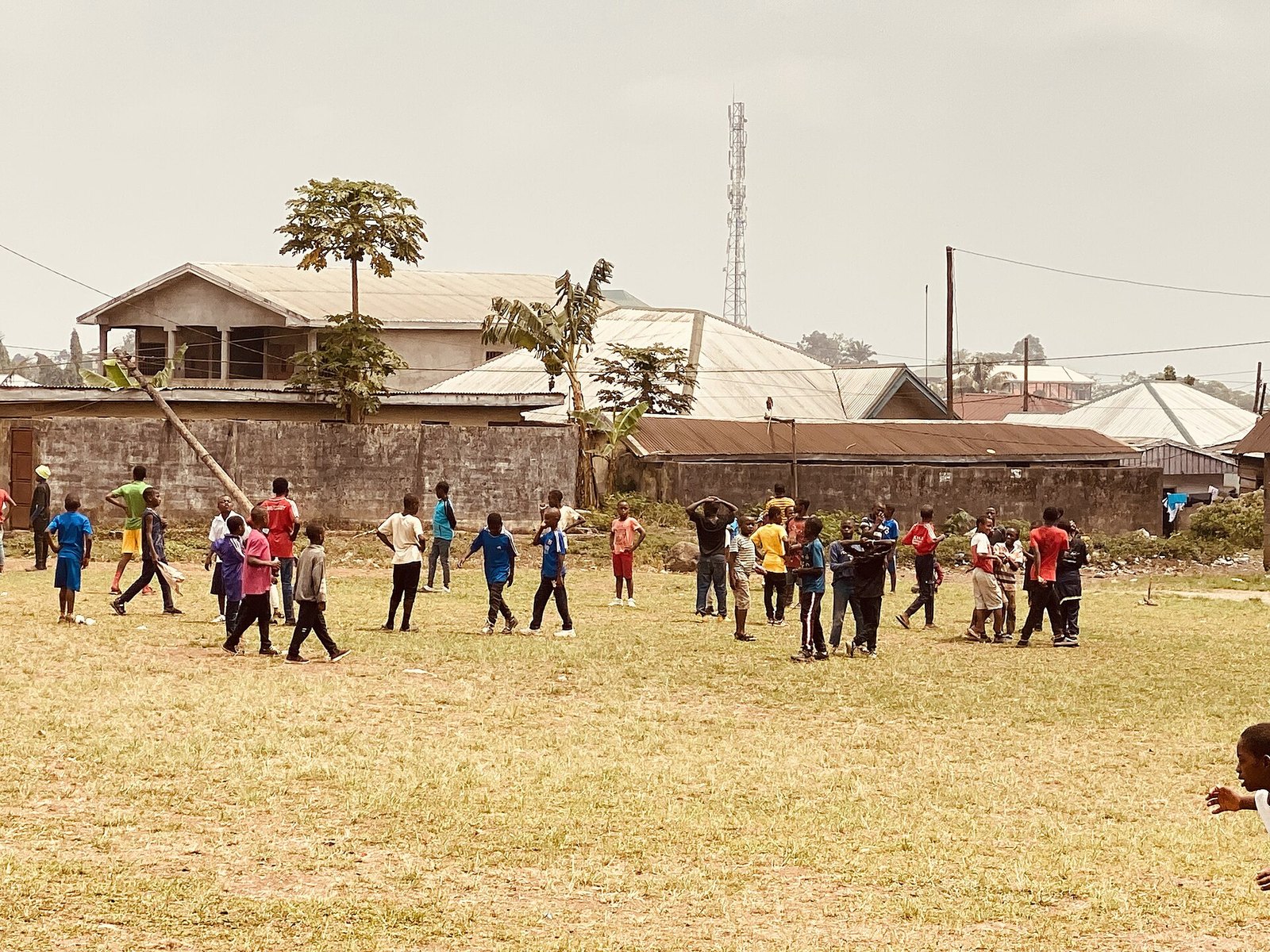
Students play football and attend clubs.
5:00 PM
Parents return from work.
7:00 PM
Families prepare for another peaceful day.
Peace can sometimes feel ordinary. But when it disappears, ordinary life becomes something people deeply value.
THE COST OF CRISIS
We lose learning. We lose businesses. We lose opportunities. We lose infrastructure. We lose trust. We lose lives. We lose time.
Time spent fighting is time that cannot be spent building.
WHAT CAN WE LEARN?
People need peaceful spaces where grievances can be heard.
Children should not lose their future because adults disagree.
Civilians should be protected regardless of their background or position.
Language, region and opinion are part of a country, not a reason to divide it.
Roads, schools and hospitals are built in times of stability.
The generation that inherits the future should be part of shaping it.
RECOMMENDATIONS — THE ROAD FORWARD
Six stops on the road out of conflict — each one depends on the one before it.
Create opportunities for affected communities to express their concerns safely.
Encourage meaningful dialogue involving communities, authorities, civil society, young people and other relevant stakeholders.
Protect civilians, children, schools, teachers, healthcare workers and essential public services.
Restore schools, health centres, roads, water systems and other community infrastructure. Recent recovery initiatives in affected regions have focused on restoring precisely these kinds of essential services.
Support employment, entrepreneurship, education and skills development so young people can see possibilities beyond conflict.
Rebuilding physical infrastructure is not enough. Communities also need trust, cooperation and opportunities to heal relationships damaged by years of violence.
THE YOUTH QUESTION
We may not have started the crisis, but we will inherit the Cameroon that comes after it.
What kind of Cameroon do we want to inherit?
CHOOSE THE FUTURE
PATH A
PATH B
Which future would you choose?
Build PeaceThe story of the North-West and South-West regions does not have to end with crisis. It can also become a story of rebuilding, education, opportunity, dialogue and a generation determined to do better.
Factual claims about a conflict should be sourced, not copied from social media or presented as personal opinion.
Photographs and the regions map are from Wikimedia Commons, used under Creative Commons licences (CC BY / CC BY-SA). Image credit belongs to the original photographers.